Safety

Why Safety is so much more than a Minute

Safety is paramount in today’s workplace. And for good reason. Unsafe acts and conditions lead to injury, lost time, lost wages, or even death.  It can also do severe damage to a corporation’s reputation.  It is something so important that companies often start every meeting and event by having a Safety Minute or Safety Moment.

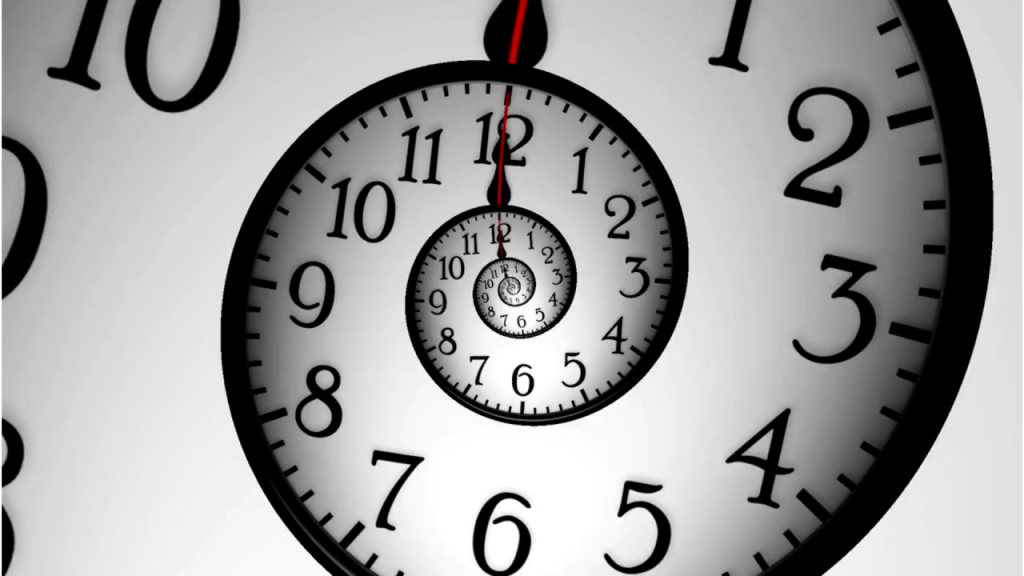
But why would something so important be only a minute?

Transitioning from a Safety Minute to a Safety Conversation or Discussion is an excellent idea. While a Safety Minute can serve as a brief reminder of the importance of safety, it often lacks depth and engagement. By expanding it into a conversation or discussion, you create a platform for meaningful interaction and learning among employees and management.

A Safety Conversation allows for the exchange of experiences, insights, and best practices related to safety. It encourages active participation and empowers employees to contribute their knowledge and observations. By discussing safety not only in the workplace but also in personal life, it reinforces the idea that safety is a fundamental aspect of everyday living.

A Safety Conversation fosters a culture of continuous improvement and accountability. It encourages individuals to not only identify unsafe actions and conditions but also to propose solutions and preventive measures. This collaborative approach promotes a sense of ownership over safety within the organization, leading to better adherence to safety protocols and reduced risk of accidents.

Transitioning from a Safety Minute to a Safety Conversation or Discussion reflects a commitment to prioritizing safety as an ongoing dialogue and practice. It emphasizes the importance of collective awareness, vigilance, and action in creating a safer workplace and community.. and it so much more than a minute.

Safety Learnings from the Sinking of the Titanic

In 1912, before its maiden voyage, the RMS Titanic’s design fascinated the world as the largest and most luxurious ship ever built. While it set sail with great fanfare, it was doomed from the start and serves a haunting reminder of the catastrophic consequences that can result from a combination of engineering design flaws, outdated standards, lack of training, inadequate tools, poor communication, and empty safety mottos.

Quality Control/Engineering Design Problems

Outdated Standards and Specifications

While the ship met the lifeboat standards at the time, the regulations and safety codes were woefully out of date for increasingly larger ships being built. The 20 lifeboats could only save, at best, 1,000 of the 2,200 people on the ship.

Lack of Training

The required lifeboat drills the day before the accident were canceled by the captain for unknown reasons. The passengers, therefore, were not trained to find and use the lifeboats, leaving lifeboats at half-full capacity. Additionally, portholes were left open and contributed to a faster sinking.

Lack of Adequate Tools and Equipment

The ship lacked enough binoculars and searchlights for the crew, which contributed to a reduced response time in the event of danger, leaving only 37 seconds to react and avoid the iceberg.

Lack of Communication

The ship Californian was near the Titanic and could have saved many people, however, the Titanic’s sole radio operator turned off the radio and went to bed. This led the U.S. Government to enact 24-hour emergency radio communication.

Empty Safety Mottos/Statements

“God Himself Could Not Sink This Ship,” “Practically Unsinkable,” and “Safety Above All Else”

are empty statements and mottos without substance. Not having enough lifeboats, canceling drills, and inadequate safety equipment clearly demonstrates that safety was not their primary motivation.

Conclusion

Unfortunately, the Titanic was not the last to experience these safety failures. Many of these causes still plague projects today. Take the time for Safety Reviews, Process Safety Reviews, Checklists, Passgates, Lessons Learned, and Peer Reviews to minimize these safety risks to your project. By learning from the mistakes of the past, we can strive to minimize safety risks and ensure the well-being of those involved in future endeavors.

Why Safety is So Much More Than a Minute

Safety is paramount in today’s workplace. And for good reason. Unsafe acts and conditions lead to injury, lost time, lost wages, or even death.  It can also do severe damage to a corporation’s reputation.  It is something so important that companies often start every meeting and event by having a Safety Minute.

But why would something so important be only a minute?

Instead, I suggest that management  transition to a Safety Conversation or Discussion. One that engages the entire audience in learning to recognize unsafe actions and conditions, both at home and the workplace.  This conversation allows employees and managers to participate in a dialogue that would include a lifetime of observations that will help everyone become more aware of their surroundings and learn how to prevent accidents, unsafe conditions and dangerous situations. Safety should be a lifelong practice. And it is so much more than a minute.